Finding the Right carp fishing rods for Beginners
Boost Your Carp Fishing Game Through These High-Performance Fishing Rods
Carp fishing requires precision and the right equipment. An angler's experience is greatly enhanced by high-performance rods. Knowing what distinguishes these rods is crucial. Material choice, rod length, and action are all important details. Fishermen need to evaluate how these components affect their performance on the water. What factors should one prioritize when selecting the ideal rod? Understanding this could revolutionize your fishing technique.
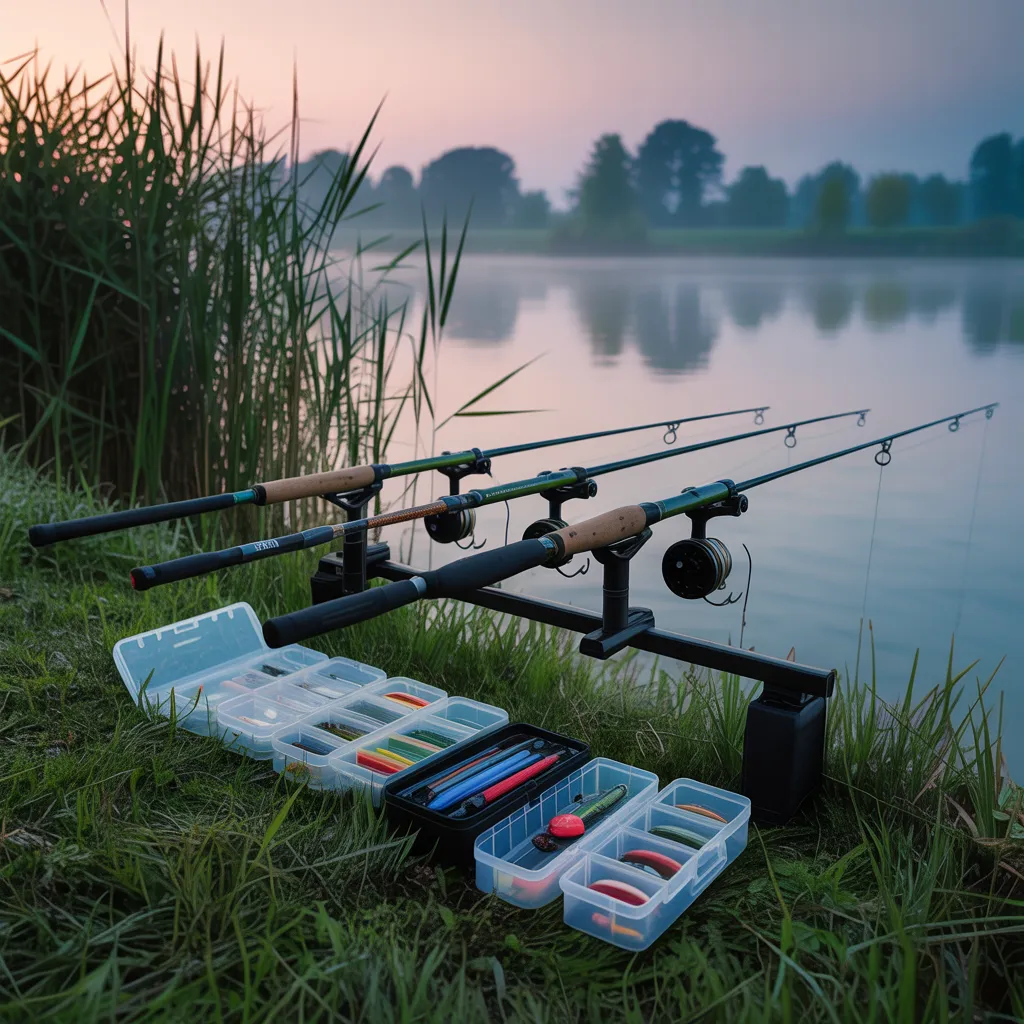
Grasping Carp Rod Basics
Carp fishing rods function as indispensable gear for anglers seeking to catch these elusive fish. Built specially for the unique challenges of carp fishing, these rods typically span from 10 to 13 feet in length, providing the necessary reach for casting in diverse water conditions. Their construction often involves materials like carbon fiber or fiberglass, which present a balance of strength and sensitivity.
A carp rod's action is essential; it can be classified as fast, medium, or slow, affecting how the rod behaves under load. A medium action rod, for example, is perfect for absorbing the forceful runs of a carp, while a fast action rod provides quicker hook sets. Anglers should also consider the rod's test curve, which shows the weight it can handle, influencing casting distance and control. Understanding these basics allows anglers to select the right equipment for a rewarding carp fishing experience.
Critical Elements of High-Performance Carp Rods for Optimal Performance
Premium carp rods are distinguished by a combination of essential features that improve their effectiveness. Primary elements include the type of rod action, the resilience of materials used, and the optimal length for casting distance. Together, these elements substantially influence a fisherman's ability to achieve successful results on the water.
Rod Action Classifications
Grasping rod action types is crucial for any angler aiming to enhance their carp fishing experience. Rod action describes how a rod flexes when under load, affecting casting distance, sensitivity, and control. There are three primary action types: fast, medium, and slow. Fast action rods bend primarily at the tip, offering increased sensitivity and quick hook sets, ideal for aggressive bites. Medium action rods offer a balance, bending through the upper half, which aids in casting and fighting fish. Slow action rods flex throughout their length, delivering more forgiveness and better line control, useful for delicate bites. Selecting the right rod action type allows anglers to tailor their techniques to specific fishing conditions, increasing their chances of success.
Material Strength Factors
In selecting carp rods, anglers must evaluate the material strength, as it plays an essential role in overall performance. Premium carp rods are typically constructed from materials such as carbon fiber or high-modulus graphite, which present superior tensile strength while maintaining a lightweight profile. These materials improve sensitivity, helping anglers to detect subtle bites and improve their casting accuracy. Moreover, rods with reinforced construction can withstand the aggressive fights of larger carp, decreasing the risk of breakage. The choice of material also impacts the rod's flexibility and recovery speed, which are essential for achieving ideal casting and hook-setting actions. Eventually, learn about this selecting rods with the right material strength can greatly enhance an angler's success on the water.
Casting Distance and Length
Length represents a key element in the effectiveness of carp fishing rods, directly impacting casting distance and accuracy. Lengthier rods, usually measuring from 10 to 13 feet, deliver the advantage of greater leverage, permitting anglers to cast baits to more distant areas into the water. This longer span is particularly beneficial in larger lakes or rivers where carp may be scattered across wider areas. In addition, the length of the rod contributes to improved line control and sensitivity, helping anglers to detect subtle bites. Alternatively, shorter rods excel in tight spaces, delivering enhanced maneuverability and precision. Eventually, the choice of rod length is determined by individual fishing conditions and personal preferences, making it a crucial element in selecting high-performance carp rods for ideal results.
Premier Carp Fishing Rod Brands to Explore
While exploring the leading carp fishing rod brands, anglers can discover a diverse selection of options that cater to different angler preferences and budgets. Each brand offers unique features that boost performance, making it essential to compare these attributes. This overview will showcase premier brands and their exceptional rod features to assist with informed decision-making.
Premier Brands Review
Picking the right carp fishing rod can substantially enhance the fishing experience, and numerous top brands distinguish themselves for their quality and performance. Among them, Shimano is recognized for its cutting-edge designs and long-lasting materials, making it a favorite among passionate anglers. Another notable name, Daiwa, is praised for its meticulous engineering and versatility, accommodating diverse fishing styles. Furthermore, Fox International is noted for its purpose-built carp rods, providing outstanding sensitivity and strength. When evaluating value, Wychwood provides superior options without sacrificing on performance. In conclusion, Nash Tackle combines modern technology with accessible designs, attracting both beginners and experts alike. Each brand brings distinct strengths, permitting anglers to choose rods that best suit their fishing needs.
Features Comparison for Rods
In assessing carp fishing rods, comprehending the specific features delivered by top brands can significantly impact an angler's decision. Industry-leading brands such as Shimano and Daiwa focus on sensitivity and strength, utilizing high-modulus carbon for increased responsiveness. Their rods often feature light construction, permitting prolonged use without fatigue. In contrast, brands like Fox International and Nash emphasize specialized actions tailored for different fishing techniques, offering versatility in various conditions. Moreover, some brands incorporate state-of-the-art reel seats and ergonomic grips, enhancing comfort and control during long sessions. Anglers should also consider rod dimensions and casting weight, as these elements influence performance. Ultimately, the right features can improve an angler's experience, increasing the chances of a successful catch.
Assessing Rod Lengths for Carp Fishing: What You Need to Know
What role does rod length play in successful carp fishing? Carp fishing rod length plays a fundamental role in establishing overall fishing performance, control, and casting distance. Longer rods, typically ranging from 12 to 13 feet, permit anglers to achieve greater casting distances, which makes them suitable for reaching distant feeding areas. This can be particularly beneficial in large lakes or rivers where carp may be dispersed. Conversely, rods on the shorter side, approximately 9 to 10 feet, present superior maneuverability and exactness, which proves beneficial in confined areas or during bank fishing.
In addition, rod length impacts the ability to absorb sudden tugs from larger carp, improving the angler's control during the fight. When picking a rod length, anglers should take into account their fishing environment and personal preferences, as each length offers distinct advantages tailored to different fishing scenarios. Eventually, selecting the appropriate rod length can greatly improve the chances of a successful catch.
Why Does Rod Action Matter in Carp Fishing?
Rod action plays a crucial role in the effectiveness of carp fishing, complementing the considerations of rod length. It describes how much and where a rod bends when pressure is applied. The action can be classified as fast, medium, or slow. Fast action rods bend mostly at the tip, providing enhanced sensitivity and quicker hook sets, which is advantageous for detecting subtle bites. In contrast, slow action rods flex more throughout the length, providing better casting distance and more forgiveness when fighting larger fish, minimizing the risk of breakage.
For those who fish for carp, choosing the right rod action is vital, as it can impact casting accuracy, detection of bites, and the ability to control the fish during retrieval. By understanding the nuances of rod action, anglers can adapt their equipment to match their specific fishing conditions and target techniques, ultimately enhancing their overall success in carp fishing.
Selecting the Ideal Rod Material for Long-Lasting Performance
Picking the ideal rod material for durability is crucial for any carp angler looking for longevity and performance in their gear. The most frequently used materials for carp rods are fiberglass and carbon fiber. Fiberglass rods are renowned for their resilience and flexibility, making them appropriate for handling strong catches. However, they are typically heavier and less sensitive compared to their carbon fiber counterparts.
Conversely, carbon fiber rods present a superior strength-to-weight ratio, offering exceptional sensitivity and responsiveness. This material is optimal for detecting faint bites, which is vital during carp fishing. When picking a rod, anglers should additionally consider the construction quality, as multi-layer or reinforced designs can improve durability further.
Finally, picking the right rod material relies on balancing power, sensitivity, and weight to suit specific fishing conditions and personal preferences, guaranteeing a optimal fishing experience.
Creating Your Budget for Carp Rods
Budgeting for carp rods is an important step for anglers wanting to maximize their investment in quality gear. The price range for carp rods can vary greatly, determined by factors such as material, brand, and features. Anglers should first establish their fishing goals and frequency, as these elements influence the required investment. For casual anglers, a budget of $50 to $150 may suffice for reasonable quality rods. However, those targeting larger carp or fishing in difficult conditions might consider spending $150 to $500 for premium options. It is also important to consider additional expenses, such as reels and accessories, which contribute to the overall experience. In the end, setting a budget should reflect both personal financial comfort and the desire for quality, guaranteeing that anglers can fully enjoy their time on the water without cutting corners on essential gear. A well-planned budget can bring about long-term satisfaction and improved fishing outcomes.
Guidelines for Keeping Your Carp Fishing Rods in Top Condition
Regular upkeep of carp fishing rods serves an important function in increasing their durability and ensuring maximum performance. Consistent cleaning is necessary; anglers should rinse rods with fresh water after each use to remove dirt, salt, and debris. This straightforward practice avoids rust and deterioration.
Examining the rod for any signs of wear or damage is essential. Attention should be given to the guides, reel seat, and rod blank, as even minor problems can influence functionality.
Additionally, maintaining rods correctly aids in their longevity. Utilizing protective sleeves or cases maintains them safe from scratches and damage. It is advisable to avoid extreme temperatures and humidity when storing rods, as these conditions can compromise the materials over time.
In conclusion, putting on a thin coat of lubricant to moving parts, such as reel seats and guides, can boost performance and prevent rust. By adhering to these guidelines, anglers can maintain their carp fishing rods properly.
How to Coordinate Your Carp Rod With Additional Fishing Equipment
In choosing the right carp rod, comprehending how it coordinates with other fishing gear is critical for a rewarding fishing experience. The rod's action and length should match the reel type, delivering smooth casting and retrieval. For instance, coupling a medium-action rod with a compatible spinning reel can boost sensitivity and responsiveness when sensing bites.
In addition, the selection of line is essential; a thicker line is often necessary for larger carp, while a thinner line can boost casting distance. Weights and rigs should also correspond to the rod's specifications, enabling peak performance and lessening the risk of breakage.
Finally, considering the bait used in combination with the rod will make certain that the entire setup works harmoniously. By thoughtfully matching the carp rod with the reel, line, and other accessories, anglers can enhance their fishing experience and increase their chances of success on the water.
FAQ
What Is the Best Time of Year for Carp Fishing?
The ideal time of year for carp fishing is usually late spring through early autumn. During these months, increased water temperatures and heightened insect activity prompt carp to feed more actively, improving fishing opportunities.
What Effect Do Weather Conditions Have on Carp Fishing Success?
Weather patterns considerably impact carp fishing success. Higher temperatures encourage greater activity, while grey skies often produce better bites. Rain can increase feeding, but harsh weather may inhibit carp, affecting anglers' overall catch rates.
Can You Use a Carp Rod for Different Kinds of Fishing?
Certainly, a carp rod may be utilized for other types of fishing. Its design provides versatility, making it appropriate for targeting numerous freshwater species, though specialized rods might provide enhanced performance for certain fishing techniques.
How Do I Properly Transport My Carp Fishing Rod?
To safely transport a carp fishing rod, safely place it in a cushioned rod case to prevent damage. Make certain the rod is taken apart if possible, and don't expose it to temperature extremes or moisture throughout transport.
What Are Some of the Frequent Mistakes New Anglers Make Using Carp Rods?
Frequent blunders newcomers experience with carp rods include selecting improper tackle, overlooking essential rod care, exceeding rod weight limits, not modifying casting methods, and failing to recognize the significance of rod action and sensitivity.